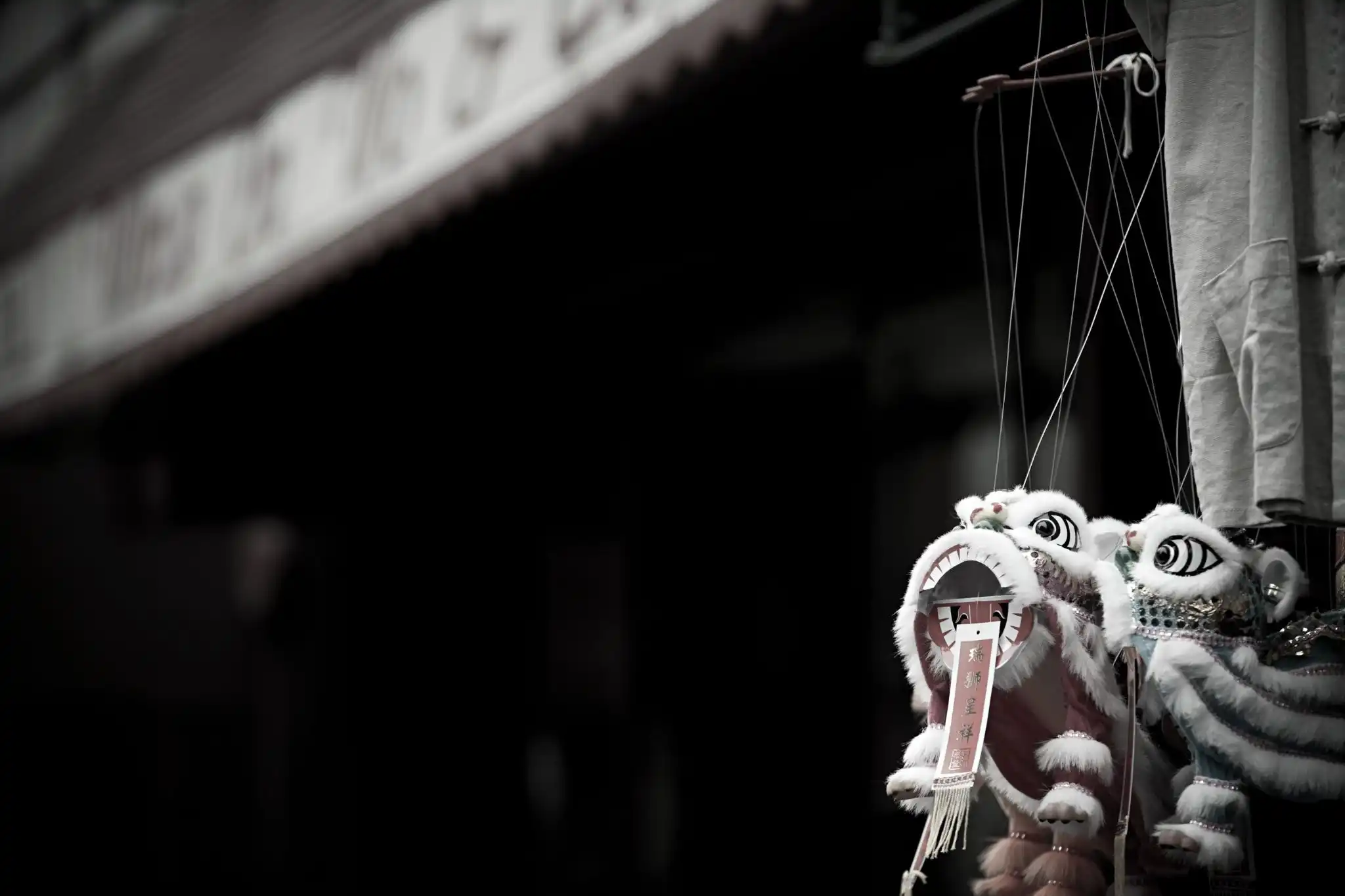

Lion dance, a vibrant and dynamic performance rooted in Chinese culture, has captured the hearts of many around the world. With its dazzling costumes, rhythmic drumming, and captivating movements, lion dance is not only a visual spectacle but also a rich cultural tradition. While there are various styles of lion dance, two of the most prominent forms are the Southern and Northern styles. Each has its unique characteristics, techniques, and meanings, reflecting the cultural diversity within Chinese communities. In this article, we will explore the key differences between the Southern and Northern styles of lion dance, delving into their meanings, techniques, and cultural significance.
Understanding Lion Dance: A Brief Overview
Before diving into the differences between the Southern and Northern styles, it’s important to understand the foundational aspects of lion dance. Originating from ancient Chinese traditions, lion dance is performed during festivals, celebrations, and special occasions to bring good luck, ward off evil spirits, and celebrate significant events. The lion, a symbol of power, strength, and good fortune, is central to the performance.
Lion dance typically involves two performers who operate the lion costume: one controlling the head and the other managing the body. The performance is accompanied by traditional music, usually featuring drums, cymbals, and gongs, creating a lively atmosphere that enhances the excitement of the dance.
The Southern Style of Lion Dance
The Southern style of lion dance, also known as Cantonese lion dance, is characterized by its lively movements and intricate footwork. This style is predominantly practiced in regions such as Guangdong and Hong Kong, where it is often featured during the Lunar New Year celebrations and other festive occasions.
Techniques and Movements
One of the defining features of the Southern lion dance is its emphasis on agility and acrobatics. Performers showcase a variety of movements, including jumps, kicks, and spins, which demonstrate the lion’s playful nature. The dance is marked by a distinctive combination of dynamic movements and fluidity, allowing performers to express the lion’s spirit.
In Southern lion dance, the lion’s head is crafted with vibrant colors and intricate designs, symbolizing different characteristics. For example, a red lion represents good fortune, while a black lion signifies wisdom. The lion head is adorned with a mirror on the forehead, believed to reflect evil spirits and protect the performer.
Southern lion dance performances often include elements of martial arts, with performers incorporating stances and movements reminiscent of kung fu. This martial influence adds an extra layer of excitement and energy to the performance, captivating audiences and immersing them in the lion’s energetic persona.
Cultural Significance
The Southern lion dance is deeply rooted in Cantonese culture and traditions. It is often performed to celebrate the Lunar New Year, weddings, and business openings, symbolizing prosperity and good luck for the coming year. The performance is a way to honor ancestors and invoke blessings, making it an integral part of cultural celebrations.
In addition to its festive significance, the Southern lion dance serves as a means of preserving cultural heritage. Many communities hold workshops and training sessions for young performers to learn the art of lion dance, ensuring that this vibrant tradition continues for generations.
The Northern Style of Lion Dance
In contrast to the Southern style, the Northern style of lion dance is characterized by its graceful movements and emphasis on storytelling. This style is prevalent in northern regions of China, such as Beijing and Tianjin, and is often performed during major festivals, including the Spring Festival and Lantern Festival.
Techniques and Movements
The Northern lion dance is known for its fluidity and elegance, with performers focusing on smooth transitions and expressive movements. Unlike the acrobatic nature of the Southern style, the Northern lion dance often incorporates slower, more deliberate movements that convey a narrative. Performers use their bodies to tell a story, often depicting the lion’s interactions with other characters or the environment.
The lion head in the Northern style is more rounded and less exaggerated compared to its Southern counterpart. The design often features bright colors, but the overall aesthetic is more subdued. The lion’s eyes are typically large and expressive, allowing performers to convey emotions effectively.
In Northern lion dance, the performance is often accompanied by traditional Chinese instruments, such as the suona (a double-reed horn) and gongs. The music sets the tone for the performance, creating a sense of anticipation and excitement as the lion dances across the stage.
Cultural Significance
The Northern lion dance is rich in cultural symbolism and storytelling. It often incorporates elements from Chinese operas and folklore, allowing performers to engage the audience with tales of courage, heroism, and moral lessons. The dance serves not only as entertainment but also as a means of preserving cultural narratives and traditions.
During festivals, the Northern lion dance is performed to bring good luck and fortune to communities. It is a way to honor deities and ancestors, reflecting the deep-rooted connections between the performance and spiritual beliefs. The Northern lion dance is also a way for communities to come together, fostering a sense of unity and cultural pride.
Key Differences Between Southern and Northern Lion Dance
While both styles share the common theme of celebrating cultural heritage through lion dance, significant differences exist between them in terms of technique, style, and cultural context.
Movement and Technique
The Southern lion dance is characterized by its acrobatic and energetic movements. Performers often incorporate martial arts techniques, showcasing jumps, kicks, and spins that reflect the playful nature of the lion. The emphasis is on agility and strength, with performers striving to impress the audience with their physical prowess.
In contrast, the Northern lion dance focuses on grace and storytelling. Movements are slower and more deliberate, allowing performers to convey emotions and narratives through their actions. The choreography often includes interactions with props or other performers, adding depth to the performance.
Lion Head Design
The lion heads used in the Southern and Northern styles also differ in design. Southern lion heads are often more exaggerated, with vibrant colors and intricate details. They are designed to capture attention and represent various characteristics, such as fortune and wisdom.
Northern lion heads, on the other hand, tend to be more rounded and less flamboyant. The colors are still bright, but the overall aesthetic is more subtle. The expressive eyes of the Northern lion head play a crucial role in conveying emotions during the performance.
Cultural Context and Significance
The Southern lion dance is deeply rooted in Cantonese culture and is often performed during major festivals and celebrations. It serves to honor ancestors and invoke blessings for prosperity in the coming year. The energetic nature of the performance reflects the vibrancy of the Cantonese community.
Conversely, the Northern lion dance is influenced by storytelling and Chinese opera. It incorporates elements of folklore and moral lessons, allowing performers to engage the audience in narratives that resonate with cultural values. The performance serves as a way to connect with the community and celebrate shared traditions.
Expert Insights on Lion Dance Styles
To gain a deeper understanding of the Southern and Northern lion dance styles, we spoke with lion dance expert Dr. Mei Ling, who has studied the art form extensively. According to Dr. Ling, “The Southern lion dance captures the essence of Cantonese culture, showcasing agility and strength through dynamic movements. In contrast, the Northern lion dance emphasizes storytelling, offering a more graceful and narrative-driven performance.”
Dr. Ling also highlighted the importance of cultural preservation in lion dance. “Both styles play a vital role in keeping traditions alive. Through workshops and performances, we pass down these rich legacies to younger generations, ensuring that the spirit of lion dance continues.”
Conclusion
The Southern and Northern styles of lion dance each possess unique characteristics that reflect the rich cultural heritage of their respective regions. While the Southern lion dance captivates audiences with its acrobatic flair and vibrant performances, the Northern lion dance enchants with its grace and storytelling. Both styles serve as powerful expressions of cultural identity, preserving traditions and fostering a sense of community.
As lion dance continues to evolve and adapt in modern contexts, it remains a vital part of cultural celebrations, connecting people to their roots and enriching the tapestry of Chinese heritage. Whether you find yourself drawn to the energetic movements of the Southern style or the elegant storytelling of the Northern style, one thing is clear: lion dance is a mesmerizing art form that transcends borders and unites communities.

Leave A Comment