
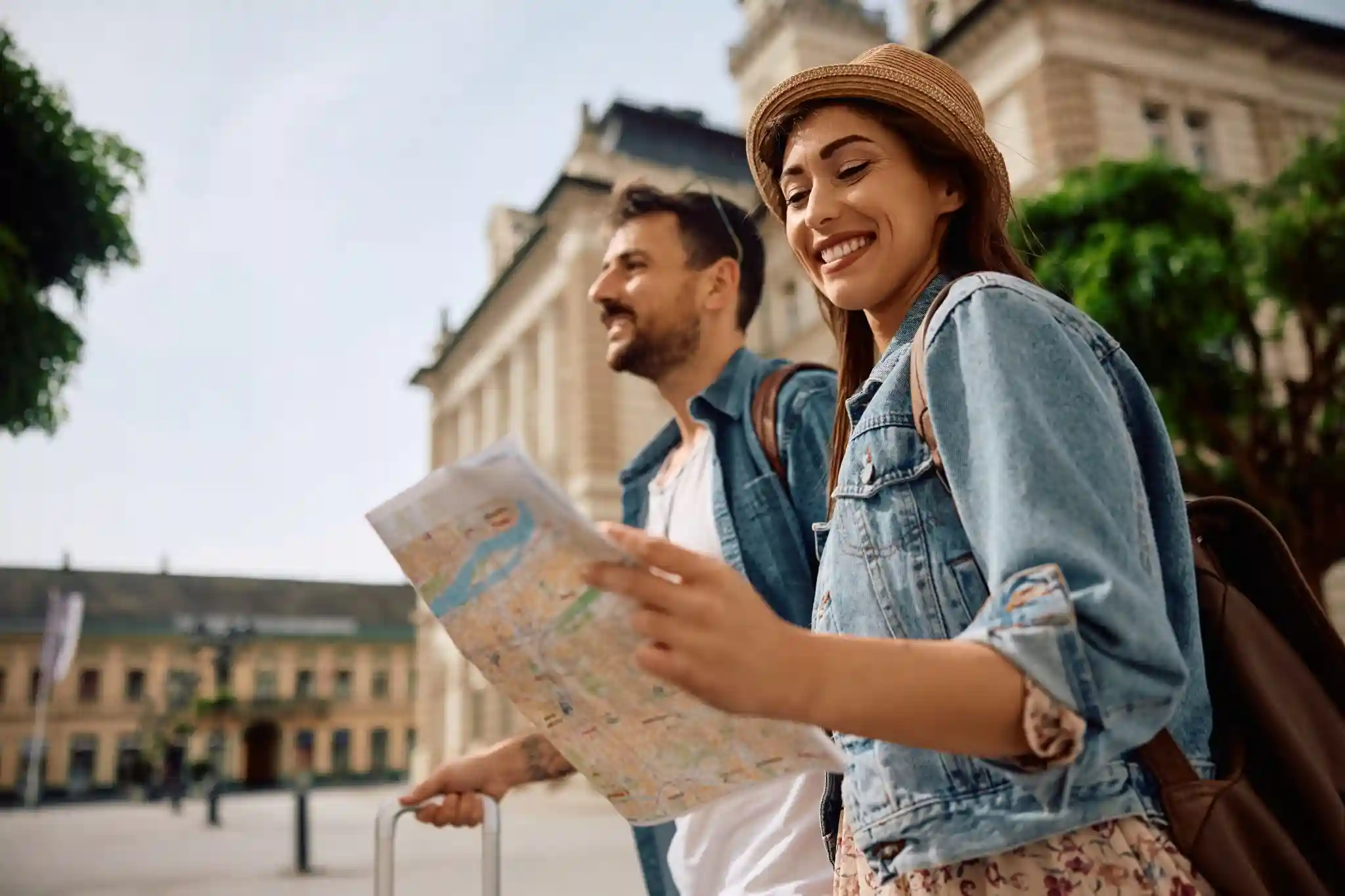

Entering a new city is not merely about moving through space, it is an immersive psychological experience that reshapes your perception and decision-making. Streets, architecture, public transport, and cultural nuances interact with your cognitive map, influencing every choice you make. Travelers often underestimate how critical pre-trip research, observational awareness, and strategic movement are in turning a simple visit into an enriching experience. Local travel tips, when applied with intention, do more than save time or mone, they allow you to engage authentically, navigate efficiently, and perceive subtle cultural dynamics that casual tourists overlook. Expertise in travel emerges not from wandering blindly, but from understanding the city’s rhythm, hierarchy of neighborhoods, and behavioral patterns of its residents.
Cognitive Approaches to Urban Exploration
Navigating an unfamiliar city requires acute mental adaptation. Your brain is naturally in hyper-alert mode in novel environments, heightening sensory perception but also creating cognitive overload. Experienced travelers harness this heightened awareness deliberately: they observe micro-patterns, anticipate bottlenecks, and analyze spatial layouts before acting. Understanding tourist behavior patterns, such as crowd clustering, predictable vendor locations, and visual sign cues, allows one to move strategically. By stepping outside the obvious pathways and immersing oneself in residential streets, travelers can uncover authentic experiences while avoiding inflated prices or manufactured tourist interactions.
Behavioral Psychology in City Travel
Tourists gravitate toward signals such as crowded attractions, vivid signage, or social media recommendations. Vendors and service providers exploit this predictability through pricing and marketing strategies. By interpreting crowd density, pedestrian flow, and temporal patterns, travelers gain a tactical advantage. Seasoned urban explorers observe local routines, noting when residents dine, commute, and congregate in public spaces, and align their movements accordingly. This cognitive mapping provides efficiency, safety, and immersive understanding simultaneously.
Pre-Arrival Research: Strategic Intelligence
Effective local travel begins long before arrival. While casual travelers rely on general blogs, professional preparation involves layered research into geography, infrastructure, cultural practices, and social dynamics. Digital tools like satellite imagery, walkability scores, transit networks, and neighborhood reviews—especially in the native language—offer insights far superior to conventional tourism websites.
Mapping Neighborhood Functionality
Urban districts are not homogeneous; residential, commercial, and cultural zones each present unique logistical and experiential considerations. Understanding population density, commercial concentration, and points of interest allows travelers to prioritize exploration intelligently. By overlaying transit nodes and pedestrian flows onto these insights, one creates a mobility framework that maximizes efficiency while minimizing exposure to tourist traps.
Cultural Fluency as a Travel Tool
Cultural understanding extends beyond language proficiency to include etiquette, communication style, and local social norms. Awareness of these subtleties reduces friction, facilitates authentic interactions, and fosters goodwill. For example, eye contact, punctuality, or gesture usage may differ dramatically between cities, and misinterpretation can hinder engagement. Fluency in these cultural codes is an underutilized yet critical dimension of expert travel.
Transportation Mastery: Navigating Efficiently and Safely
Urban mobility is the foundation of effective city exploration. A sophisticated grasp of public transit, rideshare economics, and pedestrian logistics is essential. Public transit often combines cost efficiency with cultural immersion, offering visibility into daily patterns that rideshares cannot. Walking, when feasible, enhances spatial comprehension and reveals hidden layers of urban life.
Decoding Local Transit Networks
Successful travelers read transit maps as cognitive tools rather than static diagrams. They understand line hierarchies, terminal significance, scheduling variations, and multimodal interconnections. Utilizing transit apps, including offline options, ensures operational independence, mitigates confusion, and reinforces confidence when navigating complex urban systems. Early testing of short transit routes establishes familiarity and reduces anxiety during critical exploration phases.
Culinary Navigation: Authenticity Beyond the Tourist Menu
Food is an intimate reflection of local culture. Authentic dining experiences often exist beyond highly trafficked areas, requiring careful observation. Restaurants frequented by residents at conventional dining hours signal reliability. Limited menus and specialty offerings indicate expertise, while overly broad or highly visual menus may cater primarily to tourists. Street food, while offering unmatched local flavor, demands vigilance regarding hygiene, ingredient turnover, and vendor reputation. Observation of high-volume, local patronage is a more reliable metric than signage or online reviews.
Neighborhood Intelligence and Spatial Awareness
Understanding neighborhood character is essential for selecting experiences that balance vibrancy, safety, and authenticity. Commercial hubs may offer convenience but often lack depth, while cultural districts provide insights into artistic, social, and culinary identity. Recognizing patterns in urban design, pedestrian traffic, and storefront activity allows travelers to identify areas that enhance engagement and mitigate risk.
Evaluating Micro-Neighborhoods
Safety and authenticity correlate with subtle environmental cues. Active storefronts, diverse age groups, and consistent public maintenance indicate livable and secure areas. Conversely, abandoned or poorly maintained streets may require cautious navigation. Urban intelligence comes from observing and interpreting these indicators with situational awareness rather than relying solely on guidebooks.
Communication as a Strategic Tool
Effective communication is both linguistic and behavioral. Learning key phrases signals respect and effort, immediately fostering goodwill. Nonverbal cues, including gestures, proximity, and tone, vary culturally. Skilled travelers observe and adapt, ensuring interactions are both polite and contextually appropriate, which often leads to smoother navigation, assistance, and insider knowledge.
Financial Acumen in Urban Travel
Financial literacy is an often-overlooked component of expert travel. Currency exchange, payment methods, and pricing strategies directly impact efficiency and stress. Airport exchanges typically offer unfavorable rates, while local ATMs provide transparency. Observing pricing patterns, particularly near tourist-heavy zones, ensures fair transactions. Travelers benefit from mapping payment infrastructure, understanding tipping culture, and maintaining awareness of cash versus digital preferences.
Technology Integration Without Overreliance
Digital tools provide real-time insights and navigational support, but overdependence diminishes situational awareness. Offline mapping, transit apps, and local social forums enhance strategic decision-making. However, expert travelers balance digital assistance with direct observation, ensuring immersion and authentic engagement remain primary.
Timing and Rhythm in Urban Exploration
Cities exhibit dynamic temporal variations. Morning offers quiet exploration and unobstructed views, while evening illuminates social vibrancy and cultural expression. Strategic timing allows visitors to optimize sensory engagement, crowd management, and safety, enhancing overall experience quality.
Cultural Participation Beyond Landmarks
Engagement with local festivals, markets, and workshops fosters understanding beyond visual observation. Participatory experiences transform travelers from passive spectators into active cultural participants. Volunteer opportunities, culinary classes, or craft workshops provide depth, context, and emotional resonance.
Safety and Risk Management
Expert travel balances curiosity with protective instincts. Situational awareness, environmental reading, and contingency planning mitigate potential risks. Digital safety protocols, secure data practices, and understanding local emergency resources further reduce vulnerability without impeding exploration.
FAQs
What are the top local travel tips for new city explorers?
Prioritize transit mastery, cultural literacy, neighborhood awareness, and observational engagement. Avoid tourist-heavy zones initially and align exploration with local daily rhythms.
How can I find authentic experiences away from the tourist traps?
Observe where locals congregate, analyze residential streets adjacent to popular areas, and use behavioral patterns as a guide. Limited, specialized menus, high turnover, and native-language signage often indicate authenticity.
Is it safe to explore cities independently at night?
Yes, if preparation and situational awareness are maintained. Stick to well-lit streets, understand local safety cues, and plan return routes proactively. Confidence and caution coexist through observation and adaptive planning.


Leave A Comment